15 Hours a Week to Under One Hour: How Desert Sol & Simply Moab Transformed Restocking with Akikumo

Weekly reordering time
Annual hours saved
780+
Stores
2

"Going into the next buying season, Akikumo will tell us what's trending, what are the bestsellers, and we'll know what did really well last year. So we'll lean into that."
Brooke Payson, Owner
Introduction
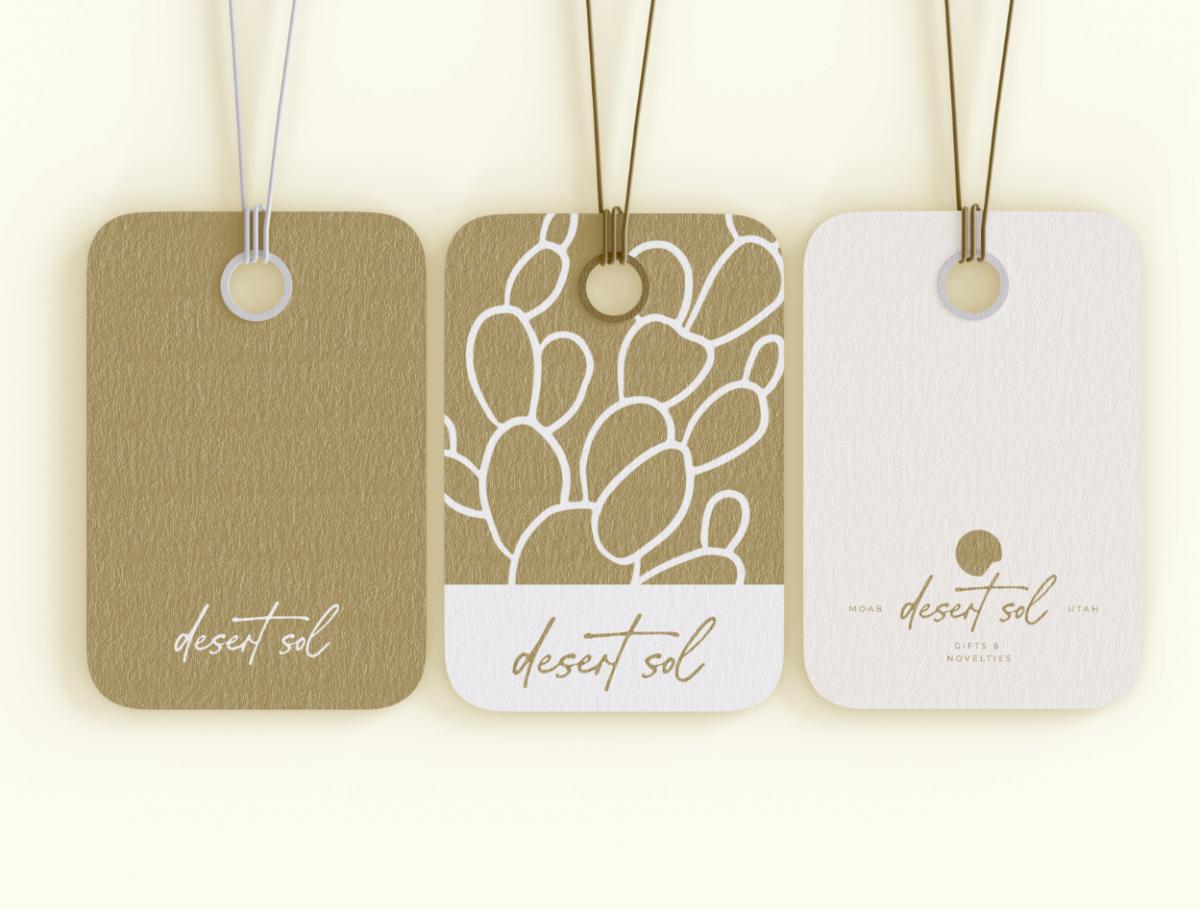
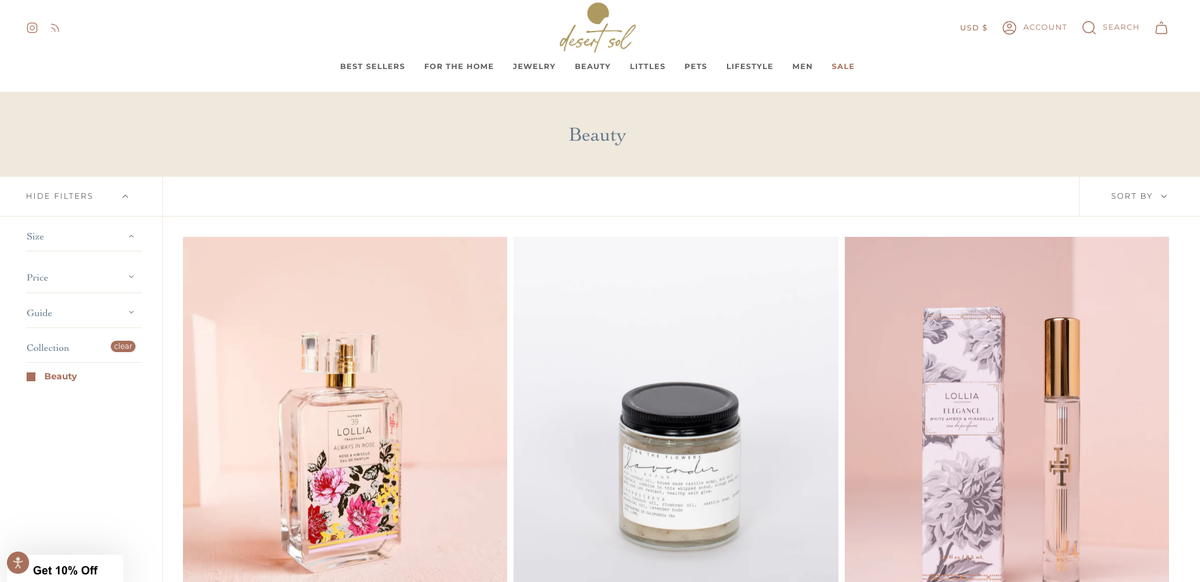
Brooke Payson is the owner of sister retail stores Desert Sol & Simply Moab. Desert Sol is a desert lifestyle brand selling beauty, jewelry, and gifts.Simply Moab is a souvenir destination and favorite among tourists selling Moab, Utah branded hats and t-shirts. As a small business owner, Brooke wears multiple hats and until recently had the sole responsibility for managing staff, sourcing, inventory, operations, and managing two websites. Brooke hired Amanda as General Manager to relieve her operational duties but the biggest and most critical job remained: inventory management including reordering the best selling products for each store.
Challenge
At the beginning of the year, Brooke placed large orders for products she knows will likely sell well in her stores, as inventory depletes during the busy season, reordering the right product became critical to keeping the business profitable. Each week required a long memory of what products sold well the previous day, attention to detail about what customers are purchasing today, and what products will be popular tomorrow. Brooke spent 15 hours each week walking around her stores with a pen and paper identifying low stock items and jotting them down by hand. Often she’d miss items if they weren't "at the top of her mind". Something as small as Chapstick, getting the reorder quantity wrong means losing out on thousands of dollars.
The process of reordering should have been simple enough, but unfortunately took hours of manual and mental effort each week. After surveying the store floor, noting no-stock or low-stock inventory, Brooke downloaded Shopify inventory to create a pivot table and go line-by-line researching each product sales history, variant-level inventory availability, locate the product barcode, then log into platforms online catalog to place her orders…every week, every product, every variant.
If she didn’t have all the information she needed, Brooke would rely on vendor sales reps recommendations to help her identify hot selling products, oftentimes however, Reps used gut feeling or what their companies were focused on that season and not historically popular products with her customers. After placing the order, all she could do was track the shipment and pray the products arrived before the shelves ran empty and that Amanda’s team could get them unboxed and tagged before losing out on sales.
The Solution
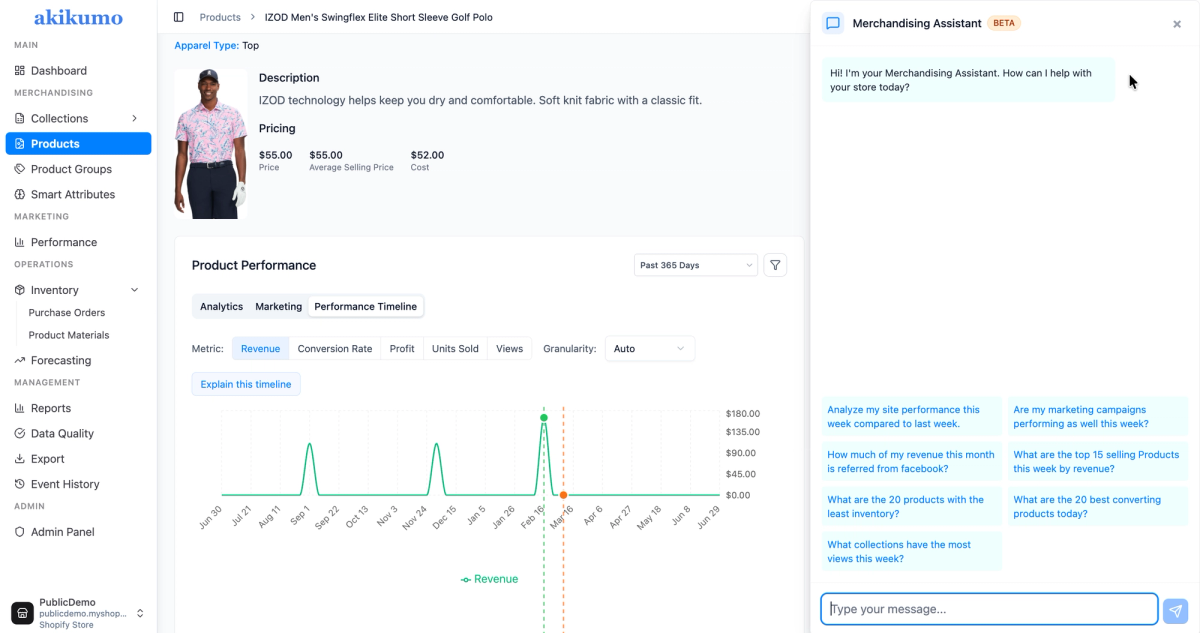
What used to consume 780 hours over the year now takes under an hour with Akikumo.
Instead of walking her stores with a pen and paper, Brooke can see variant level online and retail point-of-sale data together eliminating the need for manual line-by-line inventory checks in Shopify or logging into hubs to manually cross check inventory. She can filter by vendor, sales velocity, units sold, and will have everything she needs in one place. The guesswork around when to reorder is also eliminated. Akikumo’s days-of-supply metric calculates exactly how long current inventory will last based on selling velocity. Brooke places the order before she runs out of stock so that running out of Chapstick or Sunglasses, or anything else is a thing of the past.
When buying season comes around again, Brooke will know exactly what she’s looking for and won’t walk into a tradeshow not knowing what products sold well that year or have to rely on a sales reps’ gut feel about what’s trending. She’ll know what her customers bought, when they bought it, and how much.
For Brooke, 780 hours a year saved means running a more efficient data-backed business than a store running on gut feel and guess work.
| Before Akikumo | After Akikumo | |
|---|---|---|
| Time spent restocking | 15 hours a week (780 hours a year) | Under one (1) hour a week |
| Identifying low stock | Walking store floors with pen and paper, relying on memory | Unified view of variant-level online and retail POS data |
| Inventory data analysis | Shopify exports, pivot tables, and manual line-by-line research | Filterable data by vendor, sales velocity, and units sold all in one place |
| Reorder timing | Guesswork and hoping shipments arrive before shelves empty | Automated days-of-supply metric based on actual sales velocity |
| Buying & forcasting | Relying on vendor reps' "gut feelings" for seasonal trends | Data-backed historical insights (what sold, when, and how much) |